




















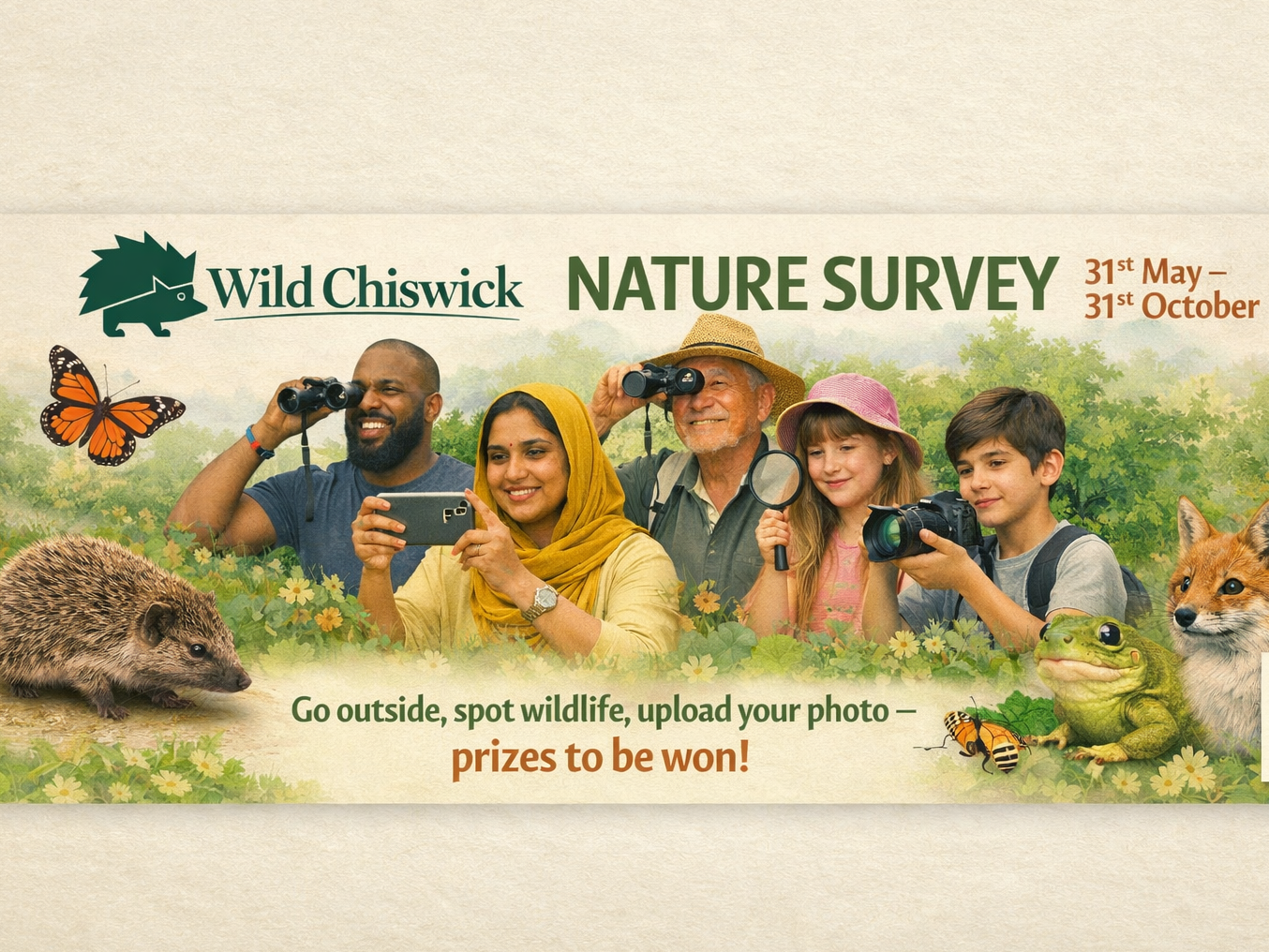
It’s Competition time! Easy to do, prizes to be won! See below.
WildChiswick in collaboration with Greenspace Information for Greater London (GiGl) are encouraging Chiswick residents to record species because wildlife conservation relies on data. Without knowing which species are around us, we cannot effectively protect or enhance their habitats. Enter what you see on the form below. A photo is also very handy so we can verify your sighting.
Long term, data are important for understanding Chiswick’s environment and measuring its health. We can assess if local species populations are declining, increasing or remain stable. This can help identify actions to help and where data may be lacking. It is just as important to know what species we do NOT have locally as we may be able to create habitat for them.
Recording data and ensuring records are shared locally and beyond is important to ensure species are considered by ecologists, planners and developers when building applications are submitted. Hounslow Council use information from GiGL to help make decisions on development, nature recovery and conservation. The more species shared with GiGL, the more likely species are to be acknowledged, and habitats protected.
It is easy join in!:
- Recordings can be taken anywhere in Chiswick including your garden.
- If possible, take a clear photo of the species. This helps us verify the species, especially if you are not sure of the name yourself.
- Enter the details in the form below.
- Choose “other” from the dropdown if your location is not listed.
- Chiswick area only.
PRIZES!
Prizes range from a hedgehog shelter, Solitary Bee House, Wildlife trail camera and more!
Please see below for the competition rules or jump directly to the recording form.
Nature Survey Competition & Rules
Competition Period
All species records must be observed and submitted between 31 May 2026 and 31 October 2026. Records made outside these dates will not be included as a competition entry but will still be submitted to GiGL.
Judging
Awards and prizes will be presented for:
- Biodiversity Champion (most species recorded by 18yrs+)
- Junior Wildlife Ranger (most species recorded by 17yrs and below)
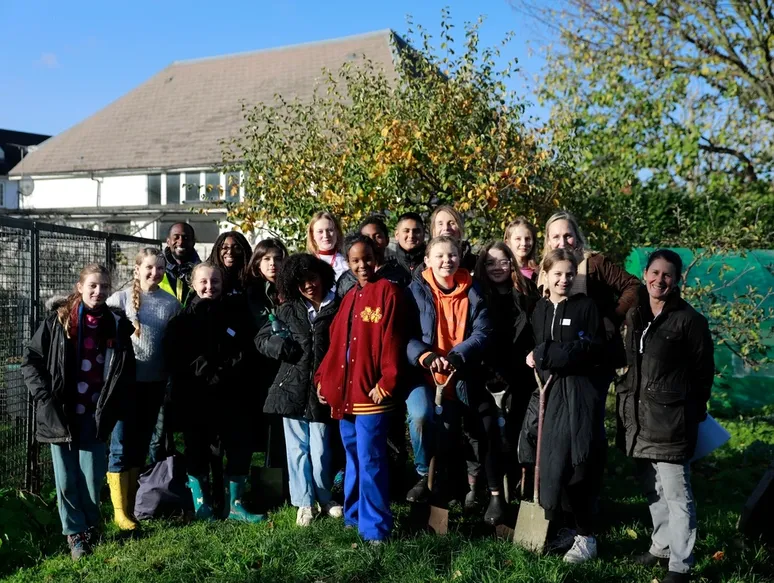
- Community Wildlife Heroes (Groups of 5 – 20 people)
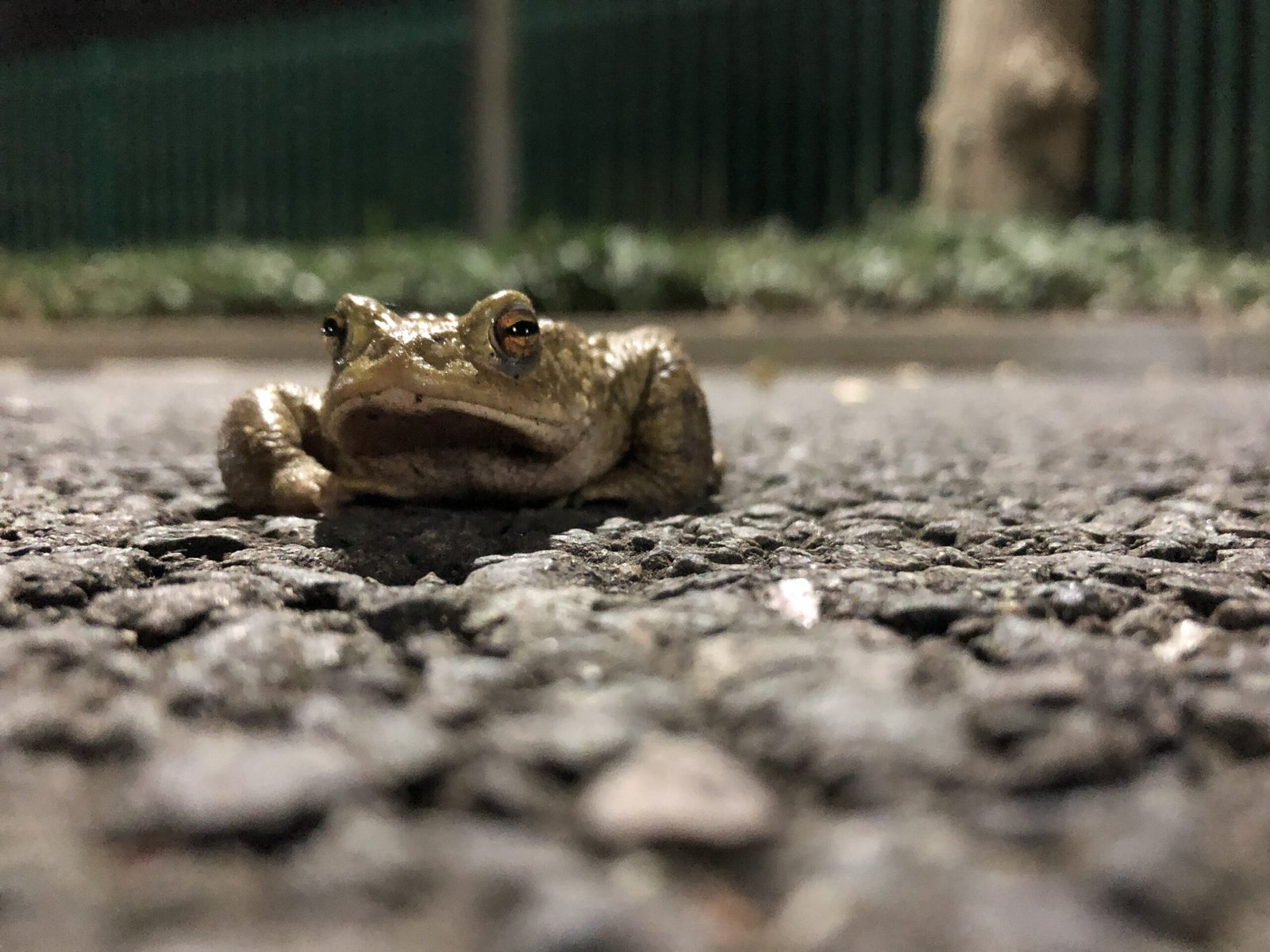
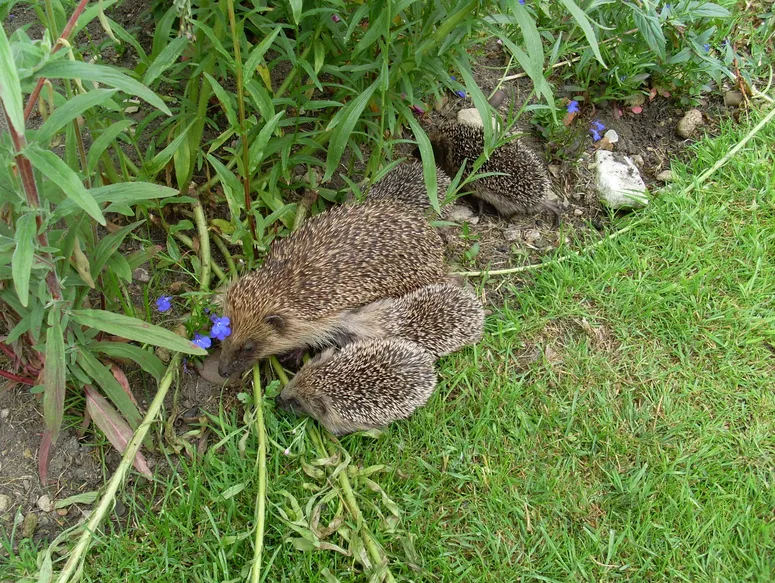
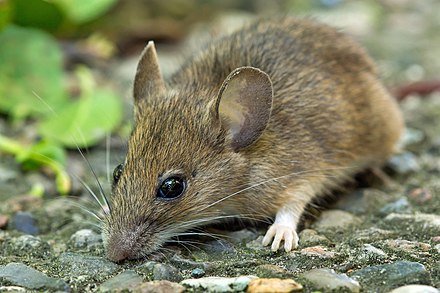
- Hidden Gems Award (rarely recorded species in Chiswick). For this category, we are particulary looking for records of badgers, voles (bank or field), house mice, moles, deer, stag beetles, red kites, any owl species, hedgehogs, toads and slow worms.
Judges’ decisions are final.
Who Can Enter
The competition is open to groups or individuals of any age. Groups can be friends, families, school pupils, community groups, streets, clubs, and allotments and consist of minimum 5 and maximum 20 people.
Recording Wildlife
Participants may record any wild species including birds, mammals, insects, reptiles, amphibians, and marine life. Species should be identified as accurately as possible (don’t worry if you are not sure, all entries will be reviewed). Photographs are encouraged where possible so identification can be agreed.
Wildlife Welfare
The safety and welfare of wildlife must always come first. No species may be harmed, handled, trapped, captured, disturbed, or removed from its habitat for the purpose of this competition. Nests, dens, roosts, and other sensitive habitats must not be disturbed. Participants must always respect private property.
Any records obtained through harmful or unethical behaviour will be disqualified.
Recording Rules
- A location for the record must be supplied either by using the location drop box or entering via the grid reference finder provided on the form if “other” is selected from the drop box.
- Group entries should nominate one contact person and use the group name on each entry, as well as the email of the nominated contact person.
- Rare or unusual sightings may be reviewed before awards are decided.
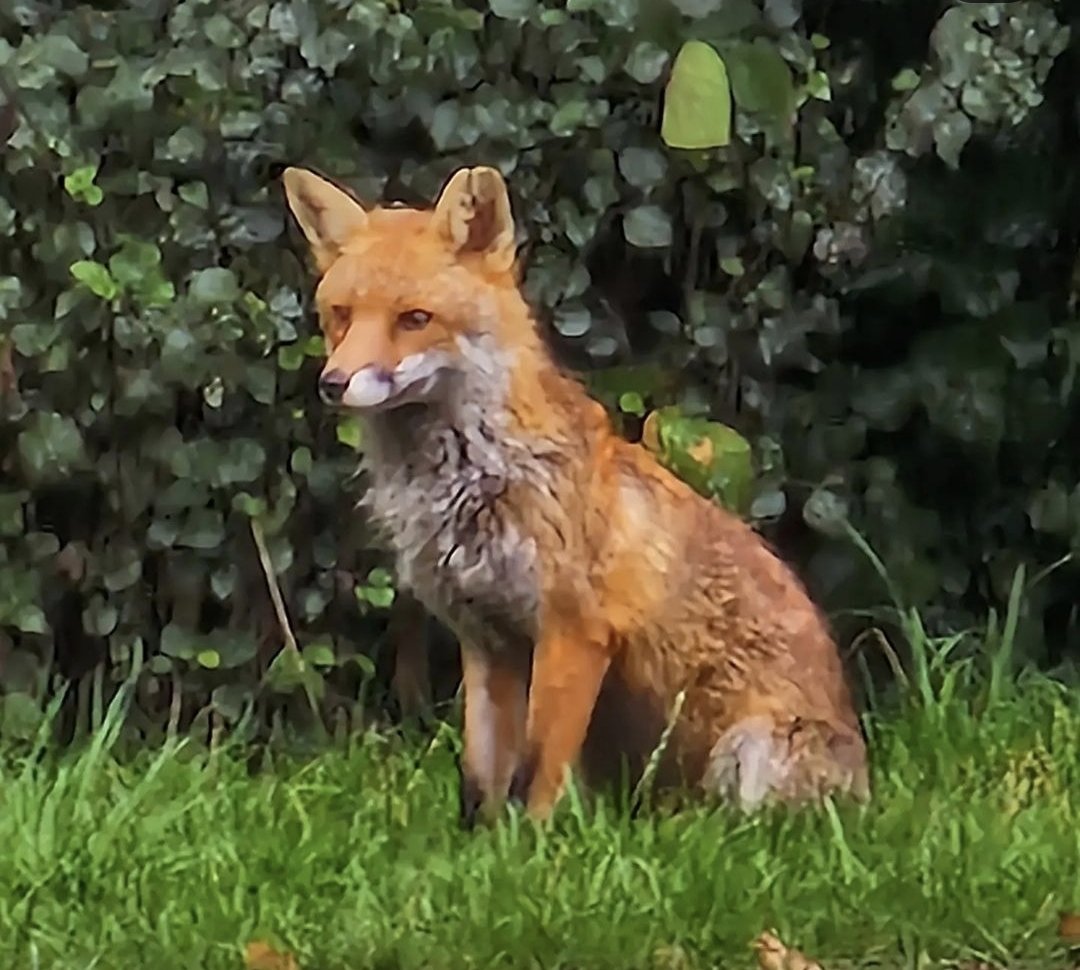
- Please do not record the same species everyday in the same location. For example, if you have a regular visiting fox, then record once and put in the notes that it is seen regularly.
Submission of Entries
Entries must be submitted by 11:59pm on 31 October 2026 via the online form below
- Records should include:
- Species name
- Date observed
- Location observed
- Any relevant notes
- photograph where possible (best to have for expert verification)
- Email address must be included so any winner can be contacted.
Photography and Publicity
By entering, participants agree that submitted photographs and species records may be used in future promotional material, newsletters, displays, or social media, with credit where possible. Recording details will be shared with GiGL except for personal information.
Rules are needed but overall, have FUN!
The aim of the competition is to encourage people of all ages to explore, enjoy, and help protect local wildlife. Go out, relax and enjoy nature!
RECORDING FORM
GiGL are the local environmental records centre for London. GiGL curate, mobilise and share data about London’s natural environment. Sharing data with GiGL ensures the best available evidence can be used by planners, ecologists, conservationists, researchers and more, to help understand, improve and protect London’s nature. Get in touch with Victoria Kleanthous at GiGL if you would like to know more about the data GiGL hold for your local area from species to habitats to protected sites and open spaces. https://gigl.org.uk/contact/
GiGL data sharing policy. Submitted records are entered into the GiGL database and shared with GiGL partners and Community Network Members. Only patrons who have signed a data use licence can access raw data and where a data use licence has not been signed, only data summaries can be accessed. Your personal details will be shared with GiGL verifiers should they need to check the veracity of your record. Otherwise, personal details will never by shared by GiGL. Species data (accompanied by your name but no other personal details) will also be uploaded to the National Biodiversity Network Atlas at 10km resolution.
Read more at the GiGL website https://www.gigl.org.uk/privacy-statement/
WildChiswick Nature Survey Results So Far:-
Burial Ground Allotments
- Caterpillar – Rusty tussock moth
- Cinnabar moth caterpillar
- Dragon fly pupae
- Jersey tiger moth
- Fox Vulpes Jay
- Long horn beetle
- Meadow brown butterfly
- 22 Spotted ladybird
- Speckled Wood butterfly
Promenade Allotments
- Nesting kestrel with chicks
Dukes Meadow Allotments
- 22-spot ladybird
- Buff-tailed bumblebee
- Cabbage white butterfly
- Cinnabar moth x 2
- Cinnabar moth larvae x 2
- Common Blue Butterfly
- Common brimstone caterpillar
- Eurasian field grasshopper x 3
- Fox
- Garden Bumblebee
- Harlequin Ladybird x 4
- Harlequin ladybird larvae
- Gatekeeper butterfly
- Green shield bug
- Hedge brown butterfly
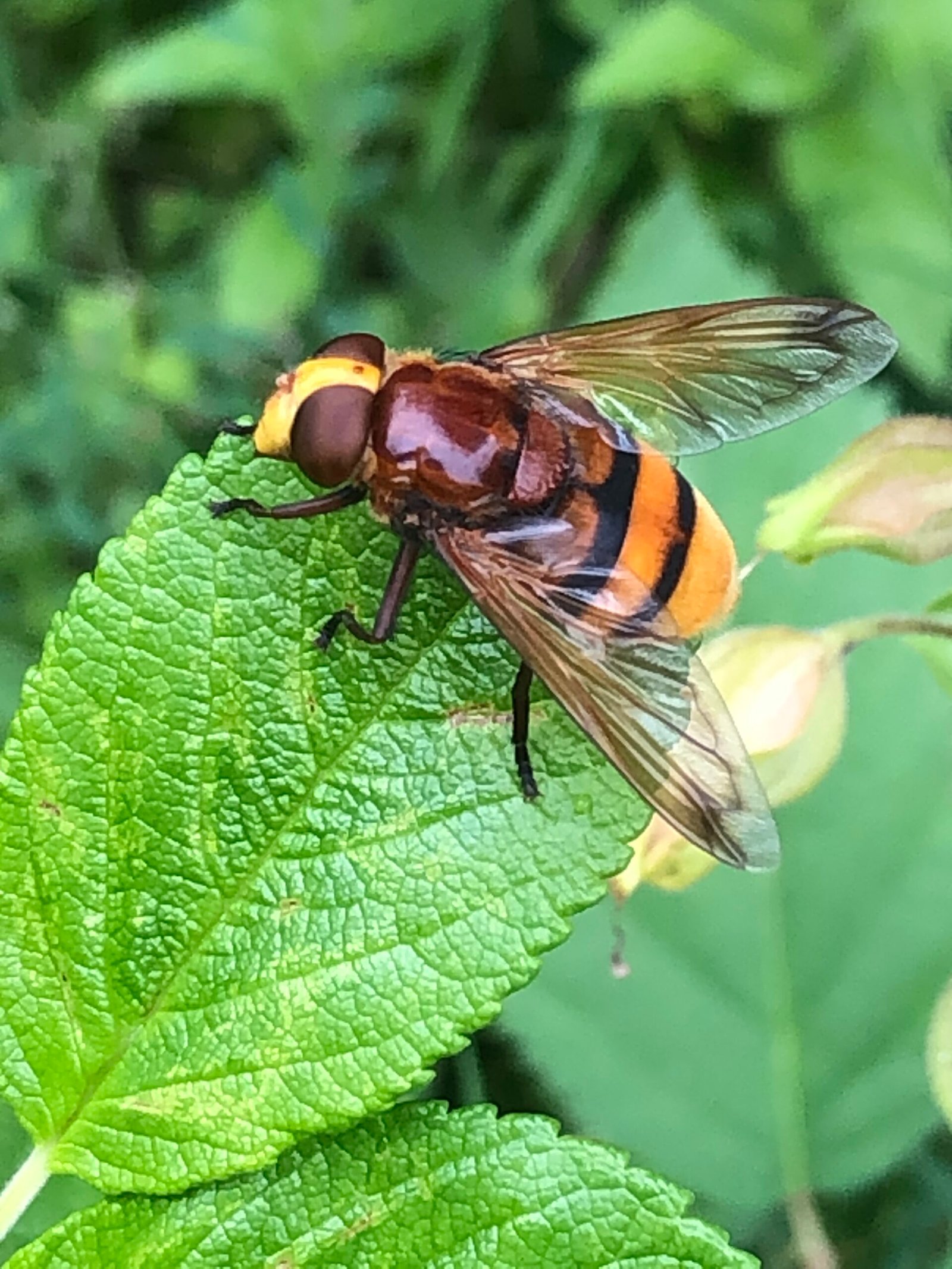
- Hornet mimic hoverfly
- Hoverfly x 2
- Jay
- Jersey tiger moth
- Harlequin ladybirds
- Pied shield bug
- Brown Rat
- Red admiral butterfly
- Rred-brown longhorn beetles
- Southern green stink bug x 2
- Western honeybee
Staveley Road Allotments
- Banded general hoverfly
- Broad bodied chaser dragonfly
- Cabbage White butterfly
- Carder bee nest
- Cinnabar moth
- Comma butterfly x 2
- Gate keeper butterfly
- Green veined white butterfly
- Hawker dragonfly
- Jersey tiger moth
- Lesser stag beetle
- Marmalade hoverfly
- False blister beetle – Oedemera lurida
- Peacock butterfly
- Red Admiral Butterfly
- Robin
- Small white butterfly
- Speckled bush cricket
- Spindle Ermine Moth Caterpillar
- Lesser Hornet Hoverfly – Volucella inanis
- White tailed bumble bee
- Flower longhorned beetle – Stenurella melanura
Dukes Meadow Recreation Ground
- 24-spot ladybird
- Banded burdock fly
- Common blue butterfly
- Common carder bee
- Cricket bat spider
- Jersey Tiger moth
- Lesser spotted sawfly larvae
- Marbled white butterfly
- Red legged shield bug (or Forest bug)
- Red tailed bumblebee
- Running crab spider
- White tailed bumblebee
Gunnersbury Triangle
- Brimstone butterfly
- Cinnabar Moth caterpillar
- Cluster fly
- Dock bug
- European Jay
- Flesh fly
- Flower longhorn beetle
- Gatekeeper Butterfly
- Harlequin ladybird
- Honeybee
- Meadow frog hopper
- Oak bush cricket
- Robber fly
- Spotted longhorn
- Spotted woodpecker
- Wasp