





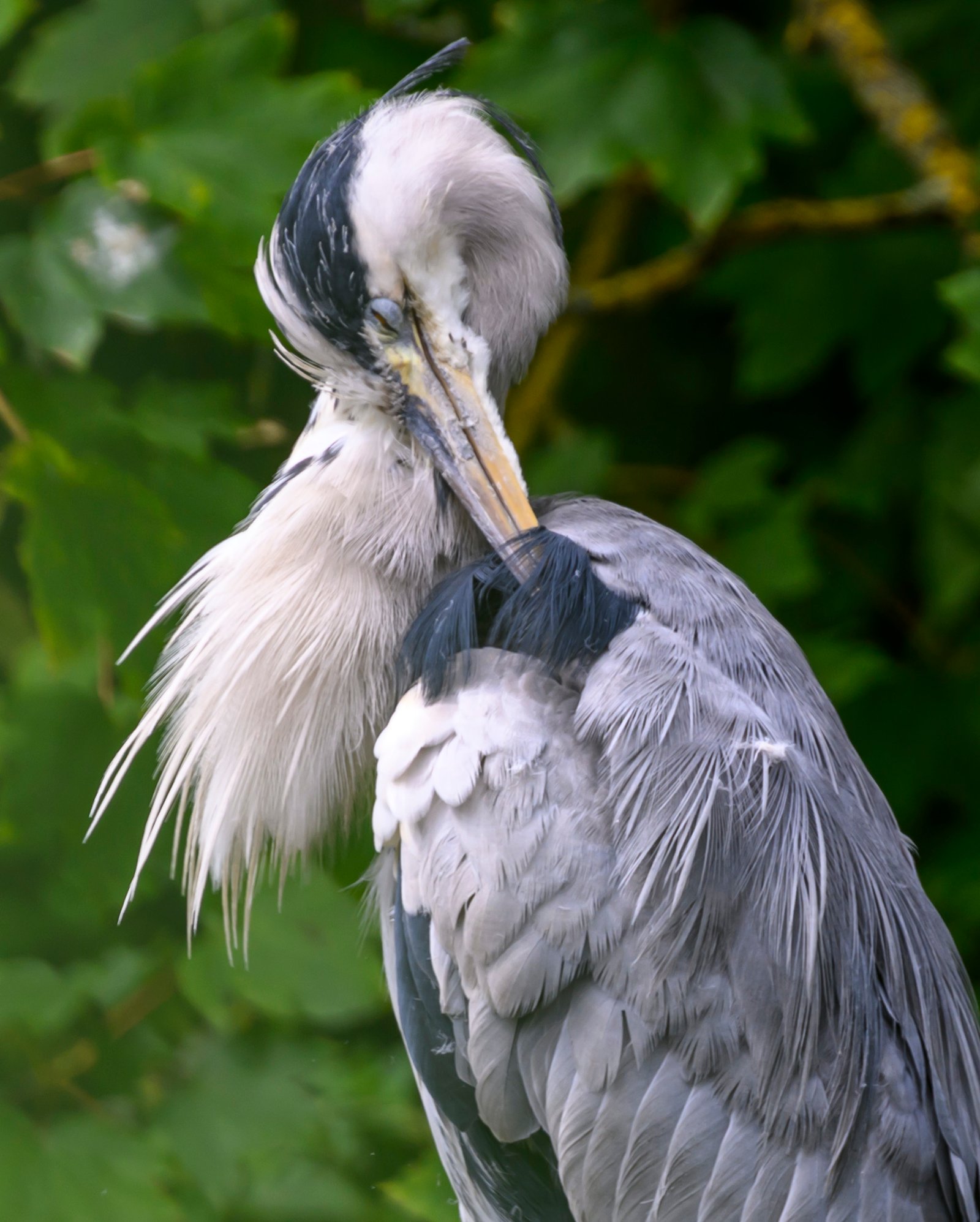












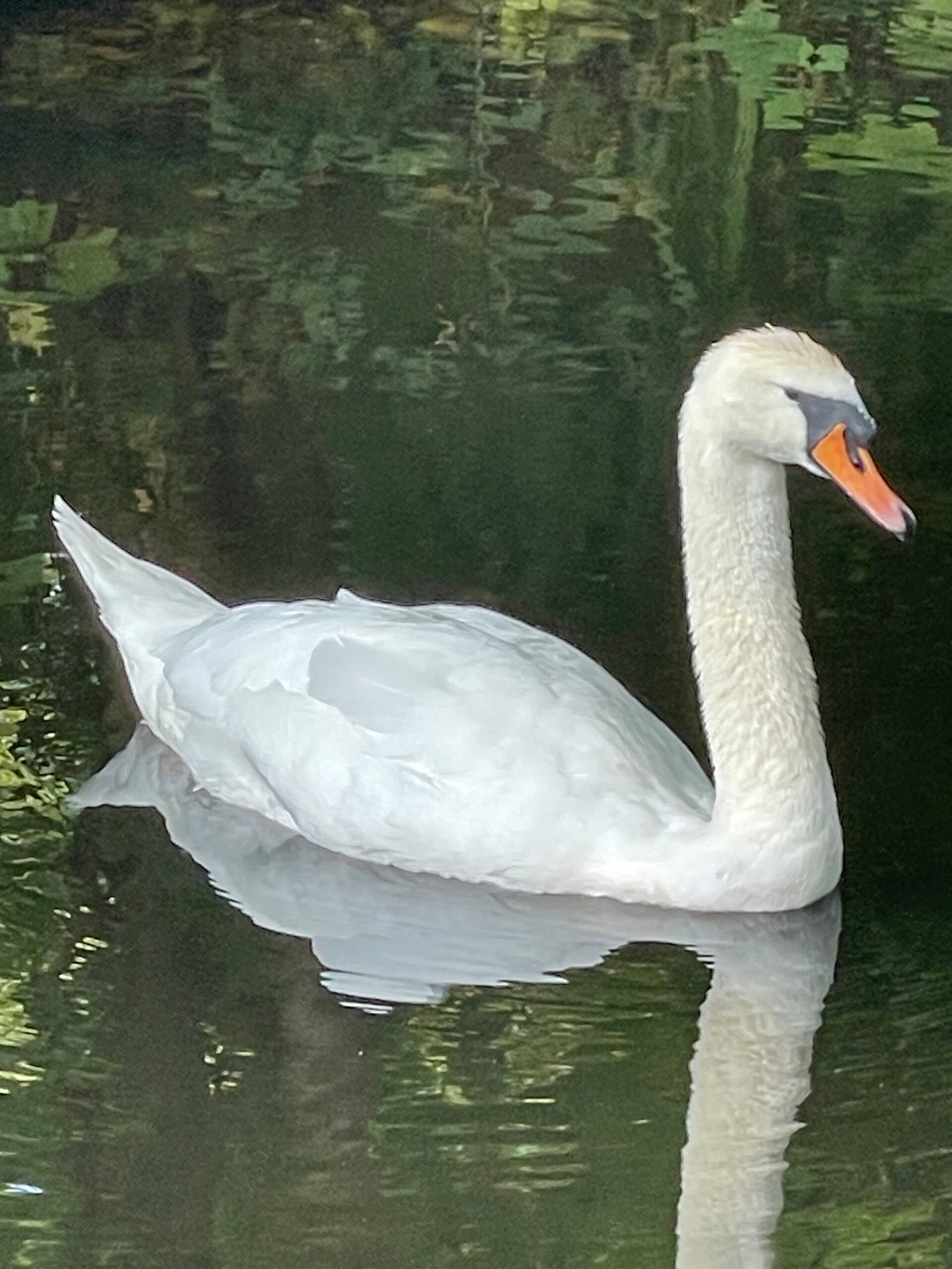
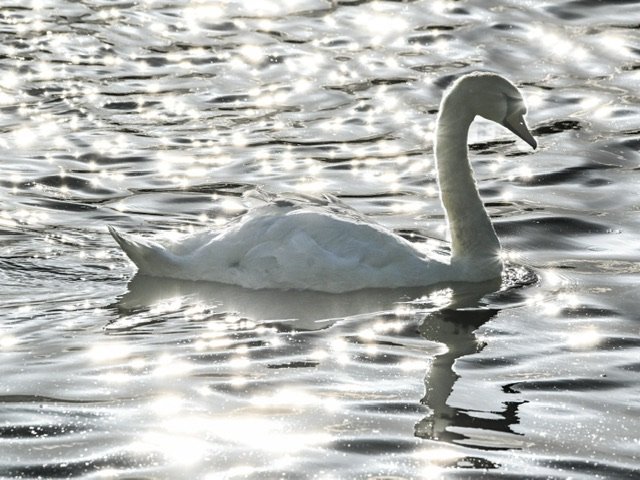






It was very sad to hear that bird flu may be affecting our wild waterfowl along the river in Chiswick. Although no surprise, as Windsor has been reporting multiple cases of swan deaths, it is still upsetting and understandably people want to know what precautions should be taken. Please note that the information below has been taken from the RSPB and DEFRA websites.
Can Bird Flu spread to humans?
Bird flu can spread to other species but this is very rare. Cases in humans are mostly where people work in the poultry industry. Spread amongst other mammal species is also rare. Below are precautions to take when bird flu is in your area:
- Do not pick up dead or sick birds.
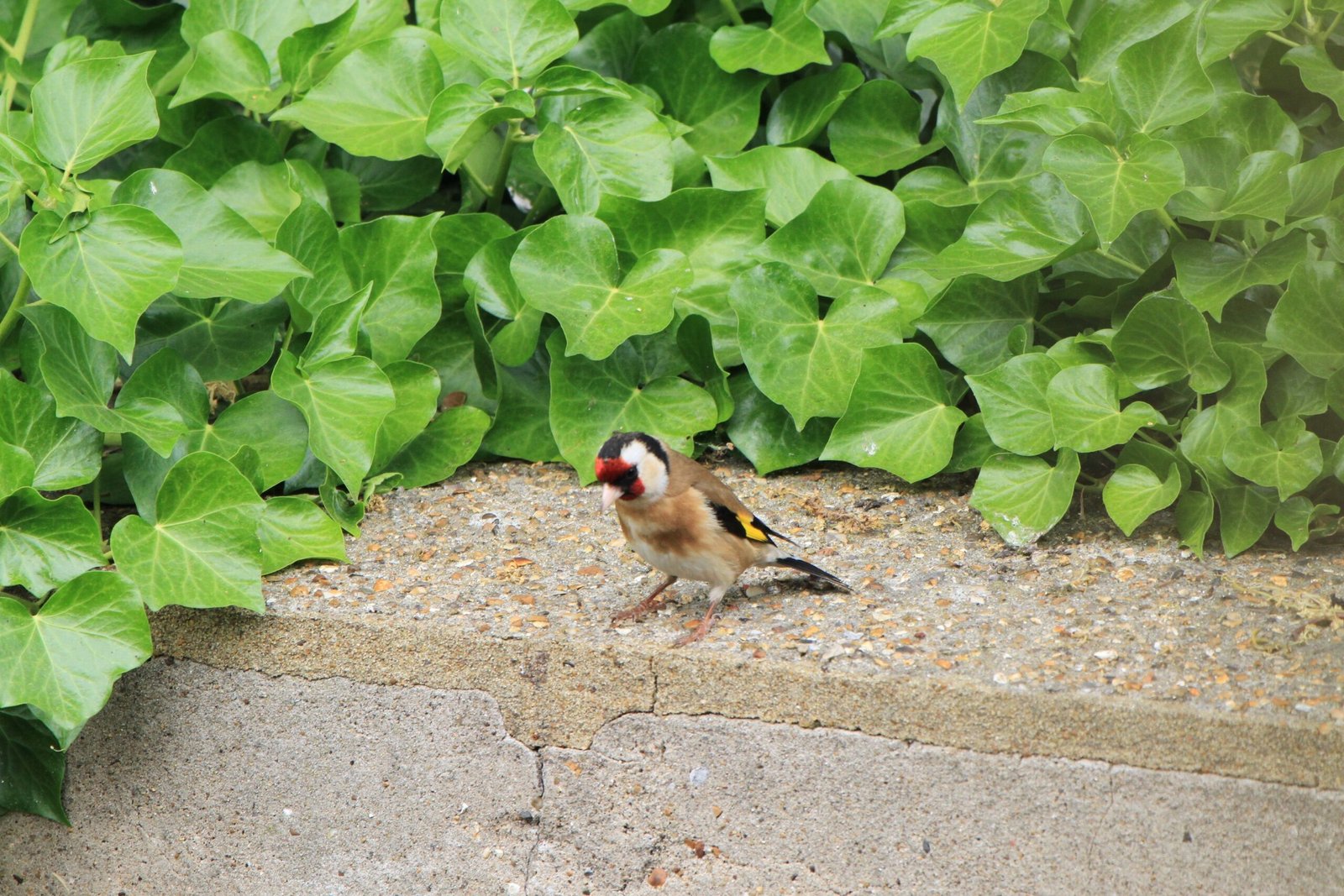
- Clean your bird feeders and top up water dishes regularly. There is no need to stop feeding garden birds.
- Keep children and dogs away from sick or dead birds. The disease can spread through carcasses, feathers and excrement. (personally, I would keep my dog on lead nearby areas where wild fowl congregate)
- The public should avoid feeding ducks, swans, geese and gulls due to the recent outbreak of bird flu. Feeding these birds could encourage them to gather in large groups and help spread the disease. Garden birds are relatively unaffected by bird flu, so feeding can continue.
- Report the following to DEFRA on 03459 33 5577 if you find the following:
- 1 or more dead birds of prey or owl
- 3 or more dead gulls or wild fowl (ducks or swans)
- 5 or more dead birds of any species.
- If you also know the species, please ALSO report dead wildbirds on birdtrack to help assess population impacts.
What are symptons of Bird Flu?
The main symptoms of bird flu in birds (which can include any or a combination of the following) are:
- Swollen head
- Closed and excessively watery eyes
- Unresponsiveness
- Lack of coordination and loss of balance, tremors
- Drooping wings and/or dragging legs
- Twisting head and neck
- Haemorrhages (bleeding) on shanks of the legs and under the skin of the neck
- Respiratory distress such as sneezing or gurgling
- Discoloured or loose, watery droppings.
Some species (for example ducks and geese) may show few or no symptoms.
One of the main signs of an outbreak is a sudden and rapid increase of dead birds.
Is this a sudden outbreak?
Not really. Bird flu used to be prevelant in winter but over the past few years has carried on through the summer months. The summer of 2021 saw Great Skuas dying across Scotland. In the winter of 2021/22 on the Solway firth bird flu killed a third of the Svalbard breeding population of Barnacle Geese. This was at least 13,200 birds. Farms have also been affected with restrictions and culling taking place in areas across the UK.
What can I do to help?
- Please report any dead or dying birds you find, but stay away from them.
- Contact your local parliamentary representative and express your concern about bird flu’s impact and the need for stronger government responses across the UK.
- Good feeder hygiene is key. Clean bird feeders and feeding stations weekly and change bird drinking and bathing water regularly.
- When visiting nature reserves, please keep dogs on a short lead to avoid contact with sick or dead birds.
- Please clean footwear thoroughly between visits to any nature reserves and the countryside to try to reduce the spread.